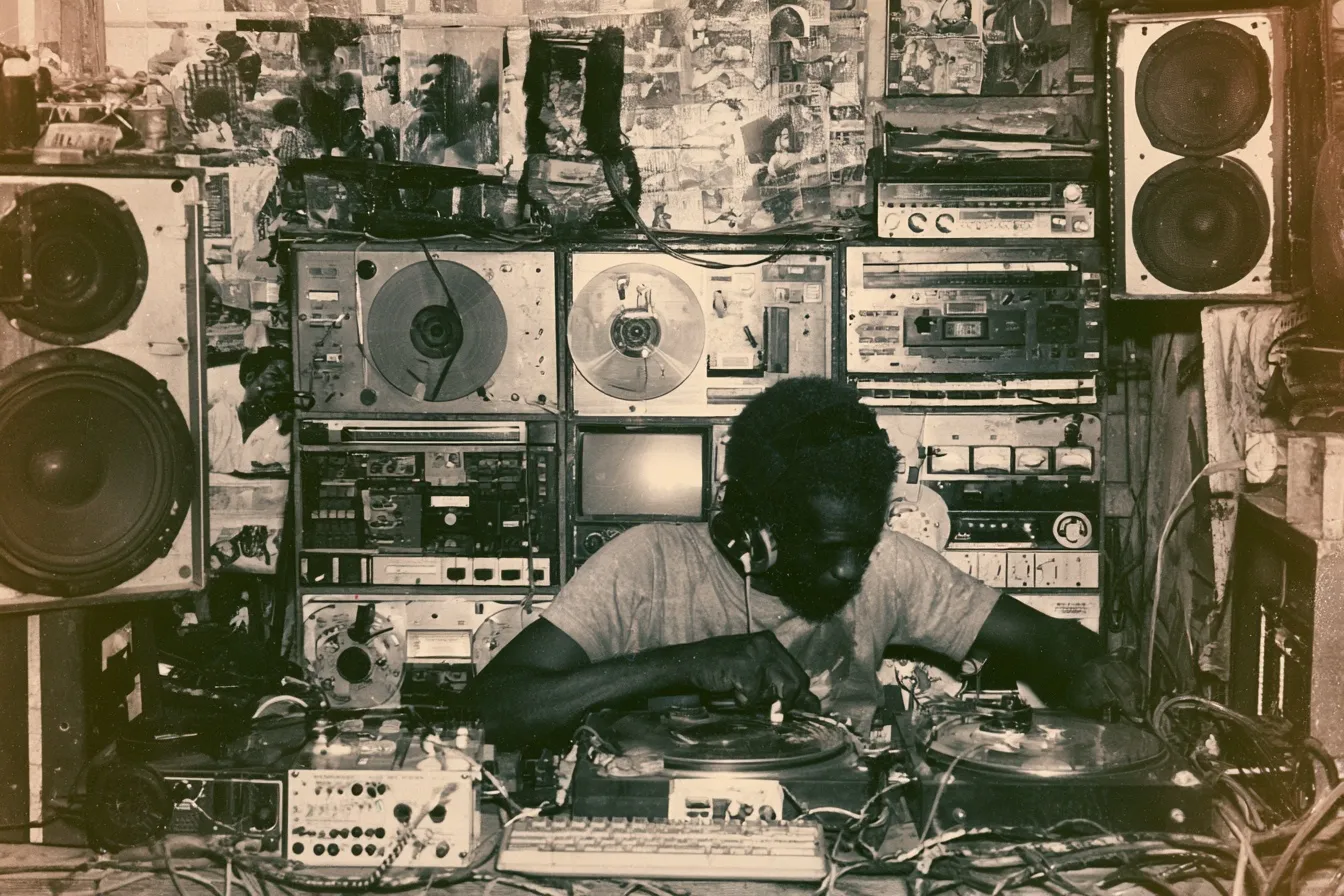
Studio One was the university
Almost everybody who mattered in Jamaican music passed through one building on Brentford Road. What came out of it is still the common language the whole music speaks.
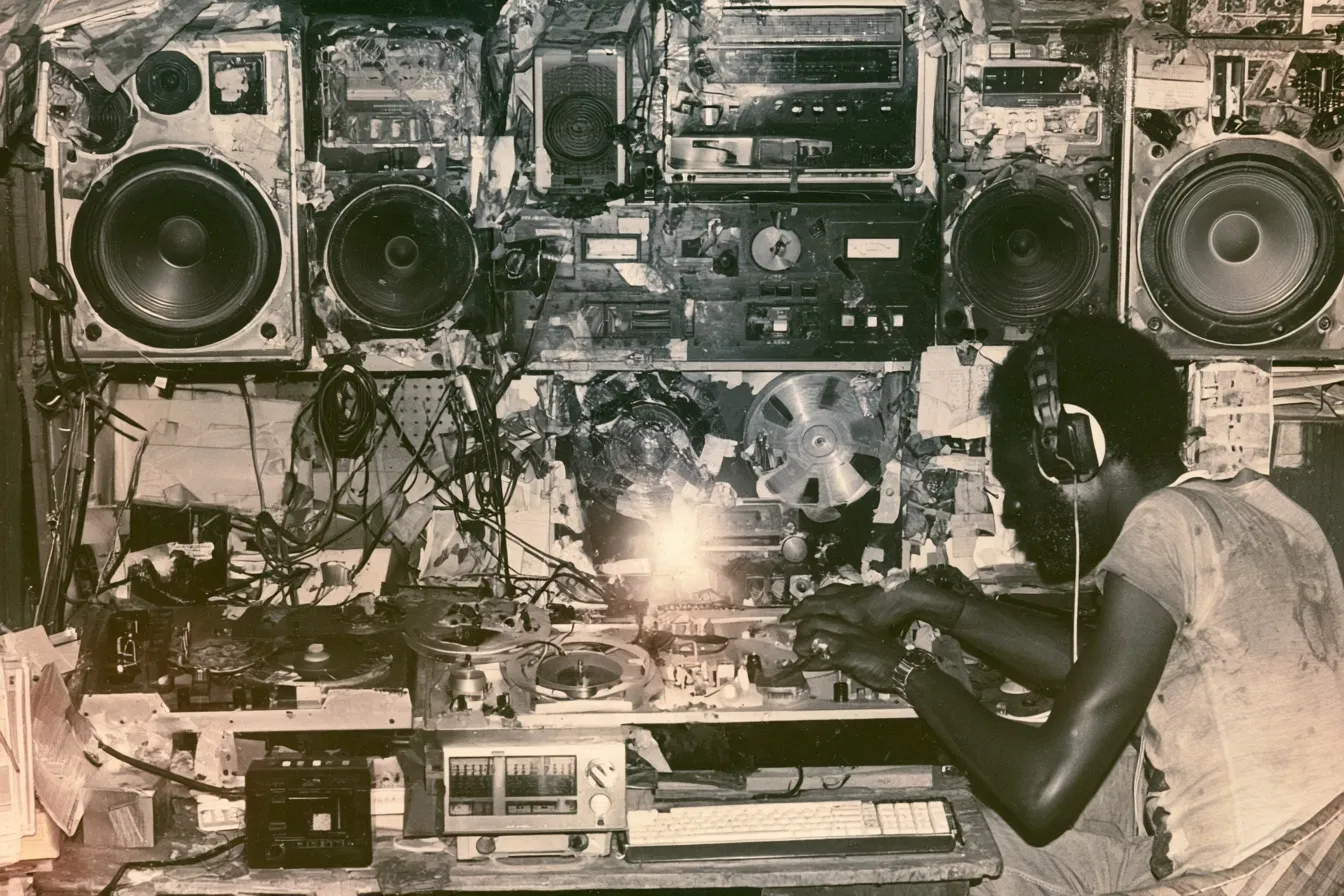
People call Studio One the Motown of Jamaica, and the comparison is useful for about ten seconds. Both were producer led operations with a house band and a recognisable sound. After that it falls apart, because Motown was building a catalogue of finished songs for radio, and Studio One was building something closer to a shared repertoire.
Coxsone Dodd came to recording sideways. He ran a sound system, he needed tunes nobody else could play, and the reliable way to get them was to make them. That order of events matters. The records existed to serve a dance first and a shop second.
The building as a training ground
The list of people who cut their first sides at Brentford Road reads like a syllabus. The Wailers were there. So were the Heptones, Alton Ellis, Horace Andy, Marcia Griffiths, Burning Spear and a long tail of singers who made three records and vanished. Young players sat in with older ones. Arrangements were worked out in the room, quickly, because studio time was money.
What that produced was not just a lot of records. It produced a generation of musicians who all knew the same rhythms, the same voicings and the same shorthand. When those people scattered to other studios through the 1970s they took a common vocabulary with them, which is a large part of why Jamaican music of that decade sounds coherent despite coming from a dozen competing operations.
The rhythms that would not die
The Studio One rhythm tracks are the deepest well in the music. Some of them have been voiced, recut and versioned so many times that the original vocal is no longer the most famous thing on them.
This is not sampling in the later sense, and it is not covering either. A rhythm gets replayed by new musicians, or the original tape gets reused, and a new singer writes a new song over it. The audience recognises the rhythm instantly, which gives the new record a running start and gives the whole tradition a memory. Records talk to each other across decades.
The part that is not comfortable
Dodd’s dealings with artists were often poor, and many of the people whose work built the catalogue were paid a session fee and nothing after. Some spent years trying to recover rights to their own songs. It is a pattern repeated across the industry, in Jamaica and everywhere else, and it should not be smoothed over because the music is good.
Holding both things at once is the only honest position. The records are extraordinary. The arrangements behind them were frequently unjust. Knowing the second does not require you to stop playing the first, but it should stop you telling the story as a simple one.
Where to start
Pick a compilation of the instrumental cuts rather than a best of. Hearing the rhythms without vocals makes the construction obvious: how much space is left, how little the bass actually plays, how much of the feel comes from where the guitar chop lands. Then go and find four different vocal cuts of one of them.